David’s ADHD story

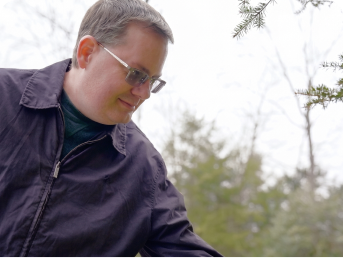
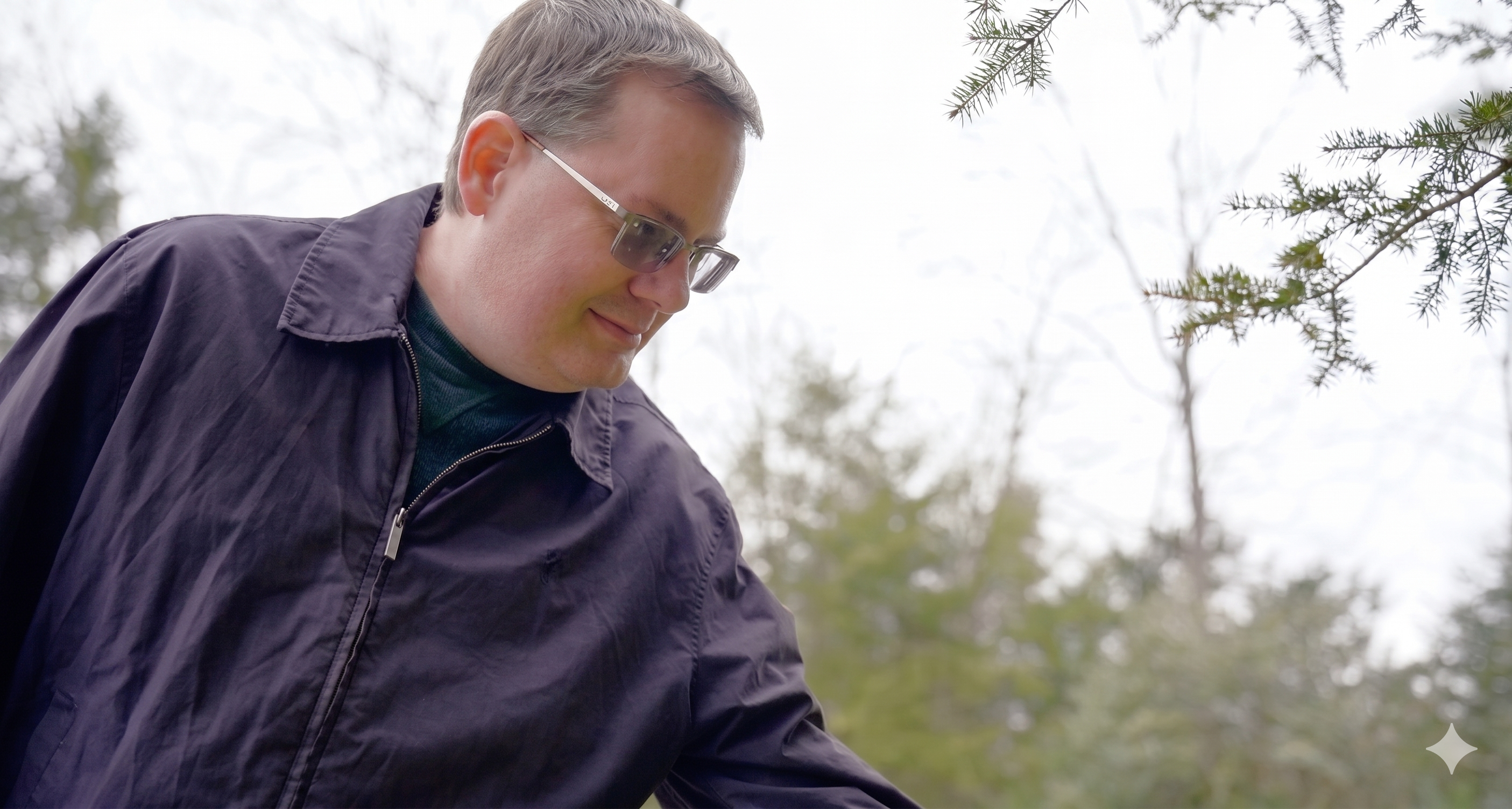
After being diagnosed with ADHD and trying various treatment plans, David switched to Qelbree and found help managing his ADHD symptoms.

The individual featured below is a real Qelbree patient and compensated ambassador.
Decorative
Components

After trying different ADHD treatments in the past, David is taking Qelbree

Content Block Video Card

David’s Story: The Journey to ADHD Diagnosis

David shares his path from doodling to ADHD diagnosis to discovering Qelbree.
Content Block Description

In elementary school, David would often stare out the window or doodle during class. In his teen years and in college, he'd zone out in the middle of conversations and be unable to focus on schoolwork even in quiet environments like the library.

After being diagnosed with ADHD in adulthood, David was hopeful about a regimen of medication and therapy. After initially taking another ADHD medication, he researched and came across Qelbree.

After discussing with his healthcare provider, David now manages his ADHD with Qelbree along with therapy and support from his community.

Hear how Qelbree helps manage David's ADHD symptoms today, and what improvements he's seen in his ADHD at work and at home.

Testimonial Mobile Image
Testimonial Image

What I like about Qelbree is that it’s real convenient to take. I just take it once a day, and it doesn’t really matter what time of day.”

David
Testimonial Author Description

Parent with ADHD

Paid spokesperson for Qelbree

Testimonial CTA Button
Multiple Card Cards
Single Card Icon or Image

See more ADHD stories

See the difference Qelbree is making in helping real people manage their ADHD.
Single Card CTA Button
Single Card Icon or Image

Share your story

Share your experience of navigating ADHD with Qelbree.
Single Card CTA Button
Single Card Icon or Image

How ADHD impacts adults

Explore the common ADHD signs and symptoms for adults.
Single Card CTA Button

Connect with the Qelbree community

Follow Qelbree on social media for updates.

IMPORTANT SAFETY INFORMATION ABOUT QELBREE

INDICATION

Qelbree® (viloxazine extended-release capsules) is a prescription medicine used to treat Attention-Deficit/Hyperactivity Disorder (ADHD) in adults and children 6 years and older.

IMPORTANT SAFETY INFORMATION
Qelbree may increase suicidal thoughts and actions, in children and adults with ADHD, especially within the first few months of treatment [read more] or when the dose is changed. Tell your doctor if you or your child have (or if there is a family history of) suicidal thoughts or actions before starting Qelbree. Monitor your or your child’s moods, behaviors, thoughts, and feelings during treatment with Qelbree. Report any new or sudden changes in these symptoms right away.

IMPORTANT SAFETY INFORMATION
Qelbree may increase suicidal thoughts and actions, in children and adults with ADHD, especially within the first few months of treatment or when the dose is changed. [read more] Tell your doctor if you or your child have (or if there is a family history of) suicidal thoughts or actions before starting Qelbree. Monitor your or your child’s moods, behaviors, thoughts, and feelings during treatment with Qelbree. Report any new or sudden changes in these symptoms right away.

You should not take Qelbree if you or your child:
Take a medicine for depression called a monoamine oxidase inhibitor (MAOI) or have stopped taking an MAOI in the past 14 days. Also, you or your child should avoid alosetron, duloxetine, ramelteon, tasimelteon, tizanidine, and theophylline.

Qelbree can increase blood pressure and heart rate. Your or your child’s doctor will monitor these vital signs.

Qelbree may cause manic episodes in patients with bipolar disorder. Tell your doctor if you or your child show any signs of mania.

Do not drive or operate heavy machinery until you know how Qelbree will affect you or your child. Qelbree may cause you or your child to feel sleepy or tired.

The most common side effects of Qelbree in patients 6 to 17 years are sleepiness, not feeling hungry, feeling tired, nausea, vomiting, trouble sleeping, and irritability, and in adults, insomnia, headache, sleepiness, tiredness, nausea, decreased appetite, dry mouth, and constipation. These are not all the possible side effects of Qelbree.

You are encouraged to report negative side effects of prescription drugs to the FDA. Visit www.fda.gov/medwatch or call 1-800-FDA-1088.

Please see Medication Guide, including Boxed Warning.

IMPORTANT SAFETY INFORMATION ABOUT QELBREE

INDICATION

Qelbree® (viloxazine extended-release capsules) is a prescription medicine used to treat Attention-Deficit/Hyperactivity Disorder (ADHD) in adults and children 6 years and older.

IMPORTANT SAFETY INFORMATION
Qelbree may increase suicidal thoughts and actions, in children and adults with ADHD, especially within the first few months of treatment [read more] or when the dose is changed. Tell your doctor if you or your child have (or if there is a family history of) suicidal thoughts or actions before starting Qelbree. Monitor your or your child’s moods, behaviors, thoughts, and feelings during treatment with Qelbree. Report any new or sudden changes in these symptoms right away.

IMPORTANT SAFETY INFORMATION
Qelbree may increase suicidal thoughts and actions, in children and adults with ADHD, especially within the first few months of treatment or when the dose is changed. [read more] Tell your doctor if you or your child have (or if there is a family history of) suicidal thoughts or actions before starting Qelbree. Monitor your or your child’s moods, behaviors, thoughts, and feelings during treatment with Qelbree. Report any new or sudden changes in these symptoms right away.

You should not take Qelbree if you or your child:
Take a medicine for depression called a monoamine oxidase inhibitor (MAOI) or have stopped taking an MAOI in the past 14 days. Also, you or your child should avoid alosetron, duloxetine, ramelteon, tasimelteon, tizanidine, and theophylline.

Qelbree can increase blood pressure and heart rate. Your or your child’s doctor will monitor these vital signs.

Qelbree may cause manic episodes in patients with bipolar disorder. Tell your doctor if you or your child show any signs of mania.

Do not drive or operate heavy machinery until you know how Qelbree will affect you or your child. Qelbree may cause you or your child to feel sleepy or tired.

The most common side effects of Qelbree in patients 6 to 17 years are sleepiness, not feeling hungry, feeling tired, nausea, vomiting, trouble sleeping, and irritability, and in adults, insomnia, headache, sleepiness, tiredness, nausea, decreased appetite, dry mouth, and constipation. These are not all the possible side effects of Qelbree.

You are encouraged to report negative side effects of prescription drugs to the FDA. Visit www.fda.gov/medwatch or call 1-800-FDA-1088.

Please see Medication Guide, including Boxed Warning.