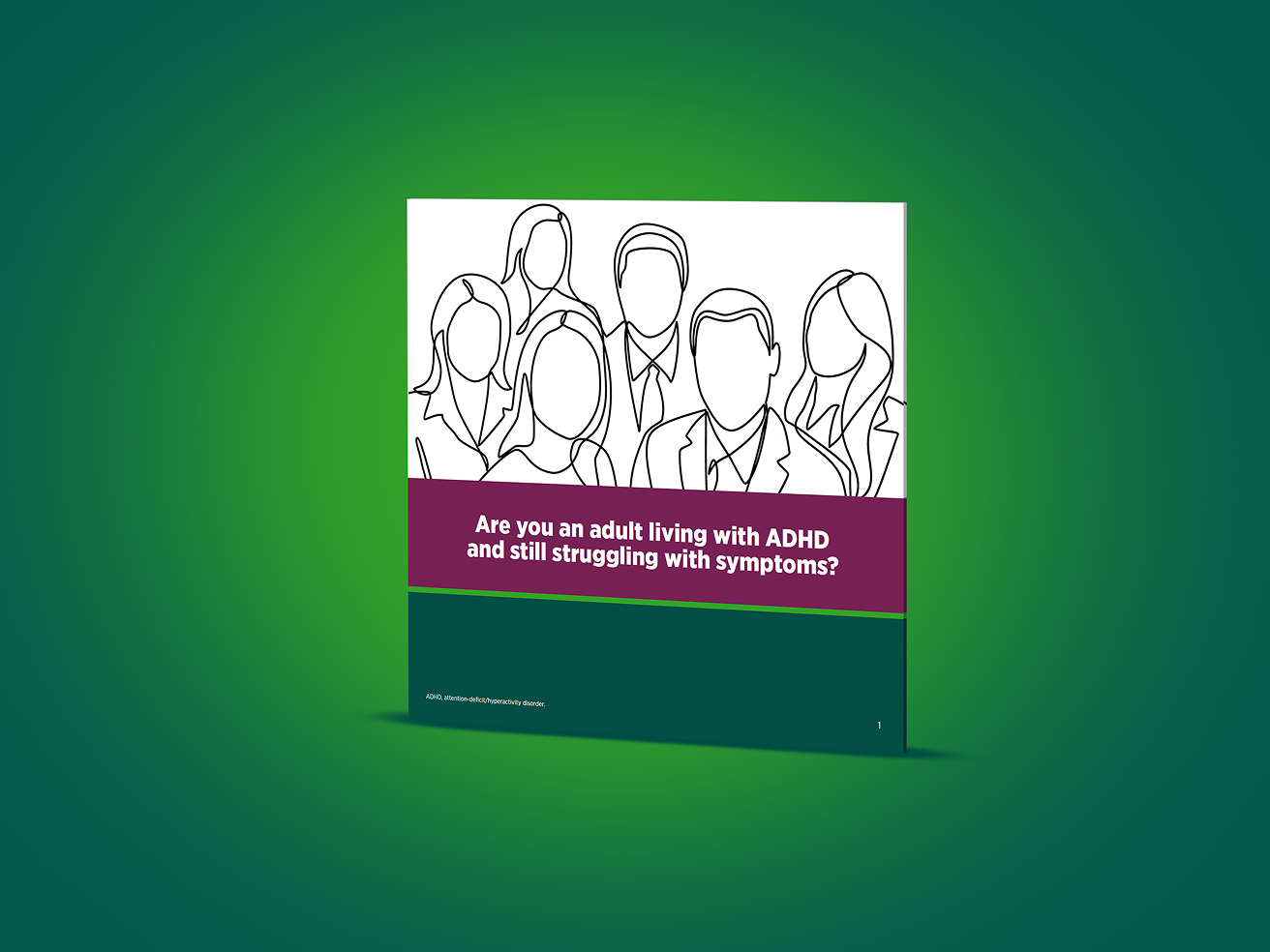
Signs and symptoms of ADHD in adulthood

If you were diagnosed with ADHD as a child, your symptoms may look different now that you are an adult.

Decorative
Components
What are some common signs of ADHD in adults?
Feature List Description

ADHD in adults can look different from how it looks in children. Symptoms fall into several categories—inattentive, hyperactive-impulsive, and combined.

Feature List Items
Feature List Item Icon

Predominantly inattentive ADHD

Feature List Item Description
  • Often failing to give close attention to details, like making frequent errors at work
  • Trouble listening when spoken to
  • Often losing or forgetting important items, like your phone or keys
Feature List Item Icon

Predominantly hyperactive and impulsive ADHD

Feature List Item Description
  • Trouble staying seated or fidgeting
  • Feeling restless or always “on the go”
  • Interrupting others often
Speedbump Icon

Combined (inattentive/hyperactive-impulsive) ADHD

Speedbump Description
Symptoms may look like a combination of both types of ADHD. As with any diagnosis, the conversation should always start with your healthcare provider.

Adult ADHD is common

Stats Cards
~16 million

adults in the US are living with ADHD

~6% of adults

in the US are impacted by ADHD

Are you experiencing ADHD symptoms?
This symptom checklist is a quick tool to help reflect on your ADHD and discuss with your healthcare provider. See which of these common adult ADHD experiences may be relatable to you.
Testimonial Mobile Image
Testimonial Image

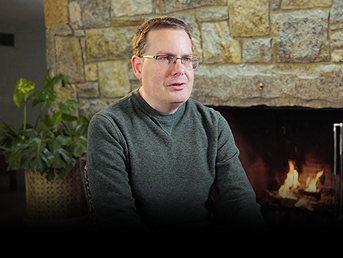
When I found out I had ADHD I kind of felt at ease. I finally know what’s going on, and it’s like okay, finally I can get some help here.”

David
Testimonial Author Description

Parent with ADHD
Paid spokesperson for Qelbree

How does gender affect ADHD?
Women and men may experience ADHD symptoms differently, and may exhibit different symptoms.

IMPORTANT SAFETY INFORMATION ABOUT QELBREE

INDICATION

Qelbree® (viloxazine extended-release capsules) is a prescription medicine used to treat Attention-Deficit/Hyperactivity Disorder (ADHD) in adults and children 6 years and older.

IMPORTANT SAFETY INFORMATION
Qelbree may increase suicidal thoughts and actions, in children and adults with ADHD, especially within the first few months of treatment [read more] or when the dose is changed. Tell your doctor if you or your child have (or if there is a family history of) suicidal thoughts or actions before starting Qelbree. Monitor your or your child’s moods, behaviors, thoughts, and feelings during treatment with Qelbree. Report any new or sudden changes in these symptoms right away.

IMPORTANT SAFETY INFORMATION
Qelbree may increase suicidal thoughts and actions, in children and adults with ADHD, especially within the first few months of treatment or when the dose is changed. [read more] Tell your doctor if you or your child have (or if there is a family history of) suicidal thoughts or actions before starting Qelbree. Monitor your or your child’s moods, behaviors, thoughts, and feelings during treatment with Qelbree. Report any new or sudden changes in these symptoms right away.

You should not take Qelbree if you or your child:
Take a medicine for depression called a monoamine oxidase inhibitor (MAOI) or have stopped taking an MAOI in the past 14 days. Also, you or your child should avoid alosetron, duloxetine, ramelteon, tasimelteon, tizanidine, and theophylline.

Qelbree can increase blood pressure and heart rate. Your or your child’s doctor will monitor these vital signs.

Qelbree may cause manic episodes in patients with bipolar disorder. Tell your doctor if you or your child show any signs of mania.

Do not drive or operate heavy machinery until you know how Qelbree will affect you or your child. Qelbree may cause you or your child to feel sleepy or tired.

The most common side effects of Qelbree in patients 6 to 17 years are sleepiness, not feeling hungry, feeling tired, nausea, vomiting, trouble sleeping, and irritability, and in adults, insomnia, headache, sleepiness, tiredness, nausea, decreased appetite, dry mouth, and constipation. These are not all the possible side effects of Qelbree.

You are encouraged to report negative side effects of prescription drugs to the FDA. Visit www.fda.gov/medwatch or call 1-800-FDA-1088.

Please see Medication Guide, including Boxed Warning.

IMPORTANT SAFETY INFORMATION ABOUT QELBREE

INDICATION

Qelbree® (viloxazine extended-release capsules) is a prescription medicine used to treat Attention-Deficit/Hyperactivity Disorder (ADHD) in adults and children 6 years and older.

IMPORTANT SAFETY INFORMATION
Qelbree may increase suicidal thoughts and actions, in children and adults with ADHD, especially within the first few months of treatment [read more] or when the dose is changed. Tell your doctor if you or your child have (or if there is a family history of) suicidal thoughts or actions before starting Qelbree. Monitor your or your child’s moods, behaviors, thoughts, and feelings during treatment with Qelbree. Report any new or sudden changes in these symptoms right away.

IMPORTANT SAFETY INFORMATION
Qelbree may increase suicidal thoughts and actions, in children and adults with ADHD, especially within the first few months of treatment or when the dose is changed. [read more] Tell your doctor if you or your child have (or if there is a family history of) suicidal thoughts or actions before starting Qelbree. Monitor your or your child’s moods, behaviors, thoughts, and feelings during treatment with Qelbree. Report any new or sudden changes in these symptoms right away.

You should not take Qelbree if you or your child:
Take a medicine for depression called a monoamine oxidase inhibitor (MAOI) or have stopped taking an MAOI in the past 14 days. Also, you or your child should avoid alosetron, duloxetine, ramelteon, tasimelteon, tizanidine, and theophylline.

Qelbree can increase blood pressure and heart rate. Your or your child’s doctor will monitor these vital signs.

Qelbree may cause manic episodes in patients with bipolar disorder. Tell your doctor if you or your child show any signs of mania.

Do not drive or operate heavy machinery until you know how Qelbree will affect you or your child. Qelbree may cause you or your child to feel sleepy or tired.

The most common side effects of Qelbree in patients 6 to 17 years are sleepiness, not feeling hungry, feeling tired, nausea, vomiting, trouble sleeping, and irritability, and in adults, insomnia, headache, sleepiness, tiredness, nausea, decreased appetite, dry mouth, and constipation. These are not all the possible side effects of Qelbree.

You are encouraged to report negative side effects of prescription drugs to the FDA. Visit www.fda.gov/medwatch or call 1-800-FDA-1088.

Please see Medication Guide, including Boxed Warning.