This site requires JavaScript and cookies to be enabled.

Tips for treatment success
Tips for treatment success
To make sure you’re getting the best results with Qelbree, it’s important that you take your medication as prescribed. Here you’ll find some ideas to help stay on track.
Decorative
Components

Medication-related tips
Feature List Items
Qelbree can be taken any time of day
Feature List Item Description
Choose a time that works best for you.
What should I do if I miss a dose?
Feature List Item Description
If you miss your regularly scheduled dose, you may not have to skip the day. Talk to your healthcare provider about what to do.
Set a once-daily treatment reminder
Feature List Item Description
That’s one less thing to remember, and one less decision to make.
Store your medication in the same place
Feature List Item Description
It’s hard to take your medication when you can’t find your medication.
Consider buying a pill organizer
Feature List Item Description
It’ll help avoid the “Wait, did I take my meds today?”
Try 90-day refills for convenience
Speedbump Description
Qelbree is a non-stimulant medication and can be refilled without needing a new prescription each month. Switch to 90-day refills for convenience.
Other tips
Feature List Items
Aim for progress, not perfection, along the way
Feature List Item Description
Remember, ADHD management is a journey. Be patient with yourself as you adjust to the routine.
Consider including loved ones in treatment discussions and decisions
Feature List Item Description
This can make you more comfortable with your ADHD treatment plan. They can help check in on whether your treatment is helping or if you’re experiencing any side effects, and what symptoms continue to affect you.
Tracking symptoms and talking to your healthcare provider is part of this journey
Feature List Item Description
Don’t hesitate to be open and honest about your treatment progress so they can best help. Communication is key to making things better for everyone.
Treatment breaks may not be right for you
Feature List Item Description
People living with ADHD sometimes consider taking a planned break from treatment. Know that this could lead to a return of ADHD symptoms and have other negative effects. If you’re considering a break, have a conversation with your healthcare provider beforehand.
Navigating ADHD is a team effort
Speedbump Description
You aren’t alone, so don’t hesitate to ask for help. You will find your healthcare provider, family, and community can help you on your ADHD journey.
Multiple Card Cards
Join Qelbree Insider
Sign up and get information about Qelbree and managing ADHD.
Resources
Find more resources to help support your ADHD journey.
Get the Qelbree Savings Card
Qualified patients may pay as little as $20 per prescription.*
*Terms and Conditions apply.
Starting doses and what to expect
Starting doses and what to expect
You can build up to the right dose of Qelbree in as soon as 1-2 weeks. Dosing is a journey, stick with it!
Decorative
Components
Building to an effective dose takes time
Content Block Description
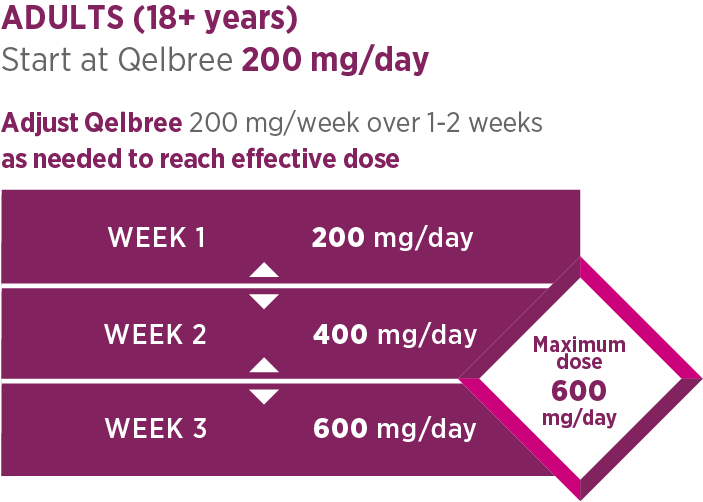
The dose of Qelbree may be adjusted weekly as needed to optimize control of your ADHD symptoms.*
Your healthcare provider will typically start you on a lower dose and increase it gradually over the first 1-2 weeks until you reach the dose that’s right for you, adjusting as needed.
This could be anywhere from 200 mg to 600 mg/day for adults. This process is called titration.
*Your healthcare provider will determine the dose based on your response to medication.
Your journey to ADHD symptom control
Feature List Description
If you have tried other ADHD medications, you may have a different experience with Qelbree. It could take a few weeks for your medication to feel fully effective.
It’s important to know:
Feature List Items
Feature List Item Description
Qelbree is a non-stimulant medication and has a “gradual onset.” It could take a few weeks for the medication to be fully effective.
Feature List Item Description
Qelbree provides a foundation of 24-hour coverage—avoiding peaks and crashes commonly experienced with most stimulant medications.
Taking a week-by-week approach can help you with starting Qelbree
Managing your ADHD is a journey. Here are some things you can do each week to help with your Qelbree experience when starting out.

It is important to keep all follow-up visits with your healthcare provider and to monitor mood or behavior changes as well as any other side effects while taking Qelbree.
Fifty Fifty Left
Media Block Image

Fifty Fifty Right
Stick with it!
Content Block Description
Like many ADHD medications, reaching your best daily dose of Qelbree may take some time. Make sure you stick with your treatment, and check in with your healthcare provider about your progress.
If you’re struggling with symptoms or experiencing side effects, let your healthcare provider know. Sometimes, even small adjustments to your treatment dose can make a big difference.
Use the Qelbree Progress Tracker to help keep track of your experience as you find the right dose of Qelbree.
Content Block CTA Button

Testimonial Mobile Image

Testimonial Image

When I started Qelbree, the cloud lifted.”
Testimonial CTA Button
Are you switching from another ADHD treatment? It’s common.
Your healthcare provider will advise on what your individualized treatment plan looks like.
Of the children, teens, and adults who switched to Qelbree:
Stats Cards
49%
switched to Qelbree from a controlled substance or stimulant medication
51%
switched to Qelbree from other non-stimulant ADHD meds
More tips for success
You’ve got this. Find more tips for success when starting Qelbree.
CTA Card CTAs

Starting with Qelbree
Starting with Qelbree
Learn what to expect when starting non-stimulant once-daily Qelbree and why it may be the right treatment option for you.
Decorative
Components
Qelbree is made to fit your daily routine, whatever that looks like for you
Feature List Items
Once-a-day dosing
Feature List Item Description
Qelbree is a once-a-day non-stimulant medication for ADHD.
Full-day coverage
Feature List Item Description
Each Qelbree capsule contains a combination of rapid- and extended-release medication and provides medication coverage through the day.
Can be taken any time of day
Feature List Item Description
If you miss your regularly scheduled dose, you may not have to skip the day. Talk to your healthcare provider about what to do.
Can be taken with or without food
Feature List Item Description
The Qelbree capsule can be swallowed whole, or the capsule can be opened and its entire contents sprinkled onto a spoonful of applesauce or pudding.* Do not cut, crush, or chew the capsules.
Feature List Footnote
*Once added to applesauce, Qelbree should be all consumed, without chewing, within 2 hours. Once added to pudding, Qelbree should be all consumed, without chewing, within 15 minutes. Do not store for future use.
Convenient refills, including via telehealth
Speedbump Description
Qelbree is a non-stimulant and can be prescribed by a healthcare provider—even via telehealth—without the need for new prescriptions each month for refills.
Adults build up to the right dose in as soon as 2 weeks
Image
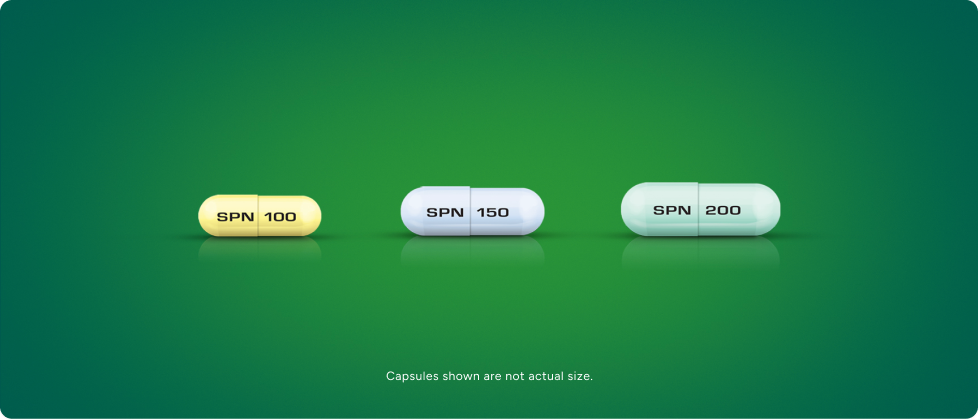
- The recommended starting dose for adults is 200 mg once daily
- The maximum recommended dosage for adults is 600 mg once daily
Your healthcare provider may gradually increase your dose over 1-2 weeks until you reach the dose that’s right for you. This process is called titration.
Fifty Fifty Left
Media Block Image
Fifty Fifty Right
Components
2 ways to take Qelbree
Content Block Description
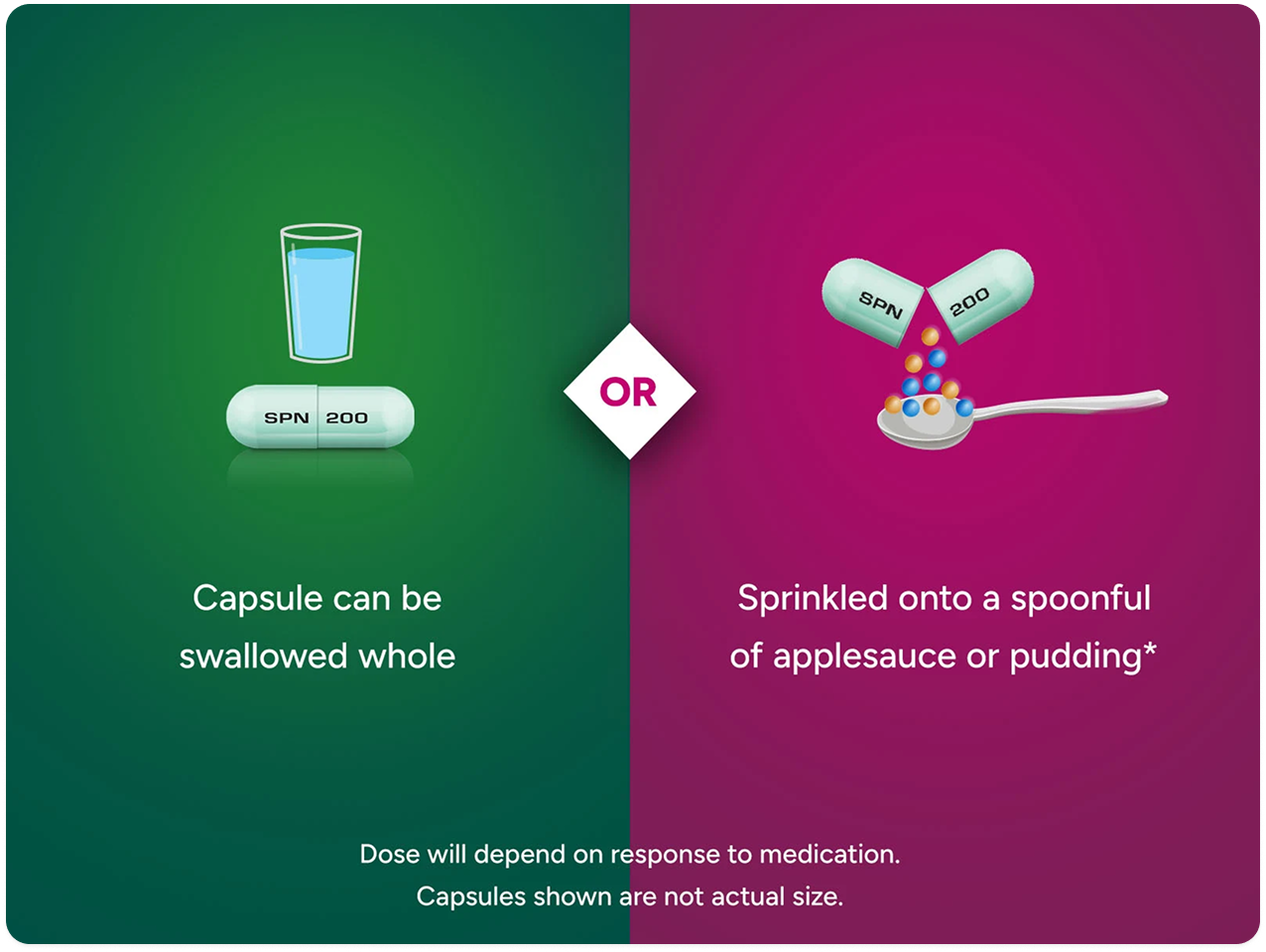
The Qelbree capsule can be swallowed whole, or the capsule can be opened and its entire contents sprinkled onto a spoonful of applesauce or pudding.* Do not cut, crush, or chew the capsules.
Qelbree is the only non-stimulant ADHD treatment that can be sprinkled for easier dosing for people who are unable to swallow capsules.
*Once added to applesauce, Qelbree should be all consumed, without chewing, within 2 hours. Once added to pudding, Qelbree should be all consumed, without chewing, within 15 minutes. Do not store for future use.
When can you expect results?
With the help of your healthcare provider, you should find the right dose of Qelbree in 1-2 weeks. Qelbree is a non-stimulant medication and has a “gradual onset.” It could take a few weeks for the medication to be fully effective.

Testimonial Mobile Image

Testimonial Image

I can take Qelbree at night and it covers me for the full 24 hours.”
Testimonial CTA Button
Get your personalized Discussion Guide (Adults)
Get your personalized Discussion Guide
Answer 5-6 questions regarding your ADHD symptoms or treatment experience to create a free Discussion Guide to use at your next appointment.
Adults: Safety and Side Effects
Qelbree is proven to be safe* for adults, with manageable side effects when taken as directed
*Important: Those taking Qelbree should be monitored for mood or behavior changes. The healthcare provider should also monitor for changes in blood pressure and heart rate.
Decorative
Components
Safe* and effective treatment for ADHD
Feature List Description
Summary of these results:
Feature List Items
In a medical study, Qelbree was proven to be a safe* and effective treatment for ADHD when taken as directed.
The majority of side effects did not cause adults to stop treatment with Qelbree.
See results for Qelbree safety and side effect information from a medical study in 189 adults.
Qelbree is not a controlled substance, and there was no evidence of abuse
Speedbump Description
Qelbree is unlikely to have any negative interactions with methylphenidate and amphetamine stimulant formulations.
Most common side effects
| Side effect | Placebo | Qelbree |
|---|---|---|
| Trouble sleeping† | 7% | 23% |
| Headache‡ | 7% | 17% |
| Tiredness | 3% | 12% |
| Nausea | 3% | 12% |
| Decreased appetite | 3% | 10% |
| Dry mouth | 2% | 10% |
| Sleepiness (somnolence)§ | 2% | 6% |
| Constipation | 1% | 6% |
†Trouble sleeping: initial insomnia, insomnia, middle insomnia, poor-quality sleep, sleep disorder, terminal insomnia.
‡Headache: headache, migraine, migraine with aura, tension headache.
§Somnolence: somnolence, lethargy, sedation.
9% of participants taking Qelbree discontinued the medical study due to side effects, whereas 5% of those taking the placebo discontinued the study.
Multiple Card Cards
Talk to your healthcare provider
Get a free, personalized questionnaire to help inform your conversation.
Get the Qelbree Savings Card
Single Card Support text HTML
Qualified patients may pay as little as $20 per prescription.§
Frequently asked questions
Find answers to common questions about Qelbree and ADHD.
Results with Qelbree in adults
Results with Qelbree in adults
Qelbree medical study results in adults
Decorative
Components
Qelbree is proven to significantly reduce ADHD symptoms
Feature List Description
In a 6-week medical study, Qelbree—a non-stimulant—was proven to help effectively reduce ADHD symptoms when compared to placebo at the end of the study.
Feature List Items
Qelbree can help improve ADHD symptoms at home and work.
Qelbree met the goal of a significant reduction in ADHD symptom scores at the end of the study.
For some adults, Qelbree reduced ADHD symptom scores as early as Week 2.
Your healthcare provider can recommend Qelbree as part of a total treatment program that may include counseling and support therapies.
Speedbump Icon

Rapid and extended release and full-day coverage
Speedbump Description
Qelbree uses 2-bead Microtrol® Technology for rapid and extended release and provides medication coverage throughout the day.
Medical study results
Content Block Description
How we ran the study: Qelbree was studied in adults 18-65 years who had been diagnosed with ADHD. The medical study measured what kind of changes in ADHD symptoms these adults experienced over the course of the 6-week study. They measured the frequency and severity of ADHD symptoms, including inattention, hyperactivity, and impulsivity.
Qelbree showed significant reduction in symptom scores compared to placebo.
- Qelbree was proven to help effectively reduce ADHD symptoms with a once-a-day convenient dose in the medical study.
Fifty Fifty Left
Media Block Image
Fifty Fifty Right
Download the Qelbree brochure
Content Block Description
It’s an easy-to-reference source for:
- Key treatment information on Qelbree
- Helpful tips for managing your ADHD
Fifty Fifty Left
Safety and side effects
Content Block Description
See safety information and learn about possible side effects of Qelbree from medical studies.
Fifty Fifty Right
Media Block Image

The science of Qelbree
The science of Qelbree
Decorative
Components
A different approach to ADHD treatment
Feature List Items
Feature List Item Description
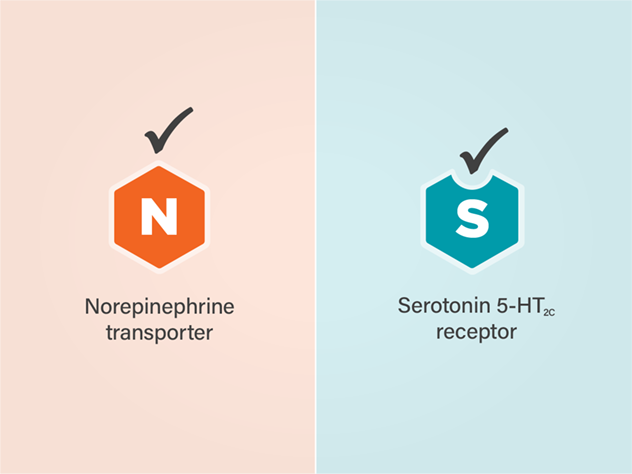
The way Qelbree works to treat ADHD is unclear but is thought to involve its ability to increase the amount of the chemical messenger norepinephrine in the brain.
Feature List Item Description
Qelbree is known to interact with norepinephrine and the chemical messenger serotonin. Qelbree is the only ADHD treatment shown to interact with serotonin where it binds at 5-HT2C.
Components
Media Block Image
Components
Speedbump Icon
5+ years of experience
Speedbump Description
FDA approved in 2021 for patients 6-17 years old with ADHD, and in 2022 for adults with ADHD, Qelbree brings over 5 years of real-world experience.
Learn more about ADHD
Learn more about the science behind ADHD, chemical messengers, and how they may affect symptoms of ADHD.
CTA Card CTAs

Fifty Fifty Left
Media Block Image

Fifty Fifty Right
Learn more about Qelbree
Content Block Description

ADHD differences in women and men
ADHD differences in women and men
While gender can't completely predict someone's ADHD journey, there can be differences in how women and men present their ADHD symptoms, and their typical age of diagnosis.
Decorative
Fifty Fifty Left
Mobile Image

Media Block Image

Fifty Fifty Right
Women with ADHD are likely to:
Feature List Items
Feature List Item Description
Experience symptoms of inattentive ADHD, which can be less obvious than hyperactive and impulsive symptoms. These include being disorganized, distracted, overwhelmed, or trouble initiating tasks
Feature List Item Description
Mask or overcompensate for their symptoms, leading to a delayed diagnosis
Feature List Item Description
Get diagnosed in adulthood, despite having dealt with ADHD symptoms since childhood. In fact, most women with ADHD don’t receive an accurate diagnosis until their late 30s or early 40s
Feature List Item Description
Experience fluctuations in the severity of their ADHD symptoms over the course of their hormone cycles
Components
Some women with ADHD are likely to be called out for:
Content Block Description
- Being overwhelmed
- Being chronically disorganized
- Exhibiting poor time management/chronic lateness
- Experiencing low self-esteem
- Being unable to manage daily activities/chores
- Finding that making/keeping friendships is difficult
Testimonial Mobile Image

Testimonial Image

It wasn’t until my own daughter was diagnosed with ADHD that I thought ‘Wait this is totally me.’ I talked to my doctor and I was diagnosed.”
Testimonial CTA Button

Fifty Fifty Left
Mobile Image

Media Block Image

Fifty Fifty Right
Men with ADHD are likely to:
Feature List Items
Feature List Item Description
Experience symptoms of hyperactive and impulsive ADHD
Feature List Item Description
Get diagnosed in childhood, as they’re more likely to act out in the classroom or at home
Feature List Item Description
Engage in “externalizing” behavior, or hyperactive/impulsive behaviors directed outwardly toward other people or one’s environment
Components
Some men with ADHD are likely to be called out for:
Content Block Description
- Sloppiness or careless mistakes
- Trouble listening
- Forgetting appointments
- Procrastination
- Restlessness
- Disorganization or misplacing things constantly
- Excessive talking
- Inability to contain frustration
Testimonial Mobile Image

Testimonial Image

Having open conversations about ADHD helps to reduce the stigma and provides an opportunity for individuals to learn from, educate, and empower one another.”
Testimonial CTA Button
Closing the gap
Speedbump Description
Both men’s and women’s ADHD experiences are challenging and valid. But if we’re to close this diagnosis gap, knowing how they may differ is key. Luckily, as ADHD awareness continues to rise, so do the number of women getting diagnosed and treated.
Taking the next step toward treatment
Knowing common symptoms and differences in gender experiences of ADHD is the first step. Getting a diagnosis from your healthcare provider, discussing your experience, and learning about treatment options can continue your journey toward managing ADHD.

IMPORTANT SAFETY INFORMATION ABOUT QELBREE
Qelbree® (viloxazine extended-release capsules) is a prescription medicine used to treat Attention-Deficit/Hyperactivity Disorder (ADHD) in adults and children 6 years and older.
IMPORTANT SAFETY INFORMATION
Qelbree may increase suicidal thoughts and actions, in children and adults with ADHD, especially within the first few months of treatment [read more] or when the dose is changed. Tell your doctor if you or your child have (or if there is a family history of) suicidal thoughts or actions before starting Qelbree. Monitor your or your child’s moods, behaviors, thoughts, and feelings during treatment with Qelbree. Report any new or sudden changes in these symptoms right away.
IMPORTANT SAFETY INFORMATION
Qelbree may increase suicidal thoughts and actions, in children and adults with ADHD, especially within the first few months of treatment or when the dose is changed. [read more] Tell your doctor if you or your child have (or if there is a family history of) suicidal thoughts or actions before starting Qelbree. Monitor your or your child’s moods, behaviors, thoughts, and feelings during treatment with Qelbree. Report any new or sudden changes in these symptoms right away.
You should not take Qelbree if you or your child:
Take a medicine for depression called a monoamine oxidase inhibitor (MAOI) or have stopped taking an MAOI in the past 14 days. Also, you or your child should avoid alosetron, duloxetine, ramelteon, tasimelteon, tizanidine, and theophylline.
Qelbree can increase blood pressure and heart rate. Your or your child’s doctor will monitor these vital signs.
Qelbree may cause manic episodes in patients with bipolar disorder. Tell your doctor if you or your child show any signs of mania.
Do not drive or operate heavy machinery until you know how Qelbree will affect you or your child. Qelbree may cause you or your child to feel sleepy or tired.
The most common side effects of Qelbree in patients 6 to 17 years are sleepiness, not feeling hungry, feeling tired, nausea, vomiting, trouble sleeping, and irritability, and in adults, insomnia, headache, sleepiness, tiredness, nausea, decreased appetite, dry mouth, and constipation. These are not all the possible side effects of Qelbree.
You are encouraged to report negative side effects of prescription drugs to the FDA. Visit www.fda.gov/medwatch or call 1-800-FDA-1088.
Please see Medication Guide, including Boxed Warning.
IMPORTANT SAFETY INFORMATION ABOUT QELBREE
Qelbree® (viloxazine extended-release capsules) is a prescription medicine used to treat Attention-Deficit/Hyperactivity Disorder (ADHD) in adults and children 6 years and older.
IMPORTANT SAFETY INFORMATION
Qelbree may increase suicidal thoughts and actions, in children and adults with ADHD, especially within the first few months of treatment [read more] or when the dose is changed. Tell your doctor if you or your child have (or if there is a family history of) suicidal thoughts or actions before starting Qelbree. Monitor your or your child’s moods, behaviors, thoughts, and feelings during treatment with Qelbree. Report any new or sudden changes in these symptoms right away.
IMPORTANT SAFETY INFORMATION
Qelbree may increase suicidal thoughts and actions, in children and adults with ADHD, especially within the first few months of treatment or when the dose is changed. [read more] Tell your doctor if you or your child have (or if there is a family history of) suicidal thoughts or actions before starting Qelbree. Monitor your or your child’s moods, behaviors, thoughts, and feelings during treatment with Qelbree. Report any new or sudden changes in these symptoms right away.
You should not take Qelbree if you or your child:
Take a medicine for depression called a monoamine oxidase inhibitor (MAOI) or have stopped taking an MAOI in the past 14 days. Also, you or your child should avoid alosetron, duloxetine, ramelteon, tasimelteon, tizanidine, and theophylline.
Qelbree can increase blood pressure and heart rate. Your or your child’s doctor will monitor these vital signs.
Qelbree may cause manic episodes in patients with bipolar disorder. Tell your doctor if you or your child show any signs of mania.
Do not drive or operate heavy machinery until you know how Qelbree will affect you or your child. Qelbree may cause you or your child to feel sleepy or tired.
The most common side effects of Qelbree in patients 6 to 17 years are sleepiness, not feeling hungry, feeling tired, nausea, vomiting, trouble sleeping, and irritability, and in adults, insomnia, headache, sleepiness, tiredness, nausea, decreased appetite, dry mouth, and constipation. These are not all the possible side effects of Qelbree.
You are encouraged to report negative side effects of prescription drugs to the FDA. Visit www.fda.gov/medwatch or call 1-800-FDA-1088.
Please see Medication Guide, including Boxed Warning.